






Welcome
RCSB Protein Data Bank (RCSB PDB) enables breakthroughs in science and education by providing access and tools for exploration, visualization, and analysis of:
Experimentally-determined 3D structures from the Protein Data Bank (PDB) archive | |
Computed Structure Models (CSM) from AlphaFold DB and ModelArchive |
These data can be explored in context of external annotations providing a structural view of biology.









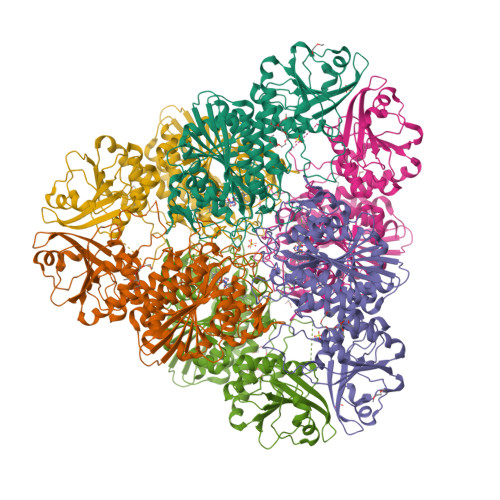
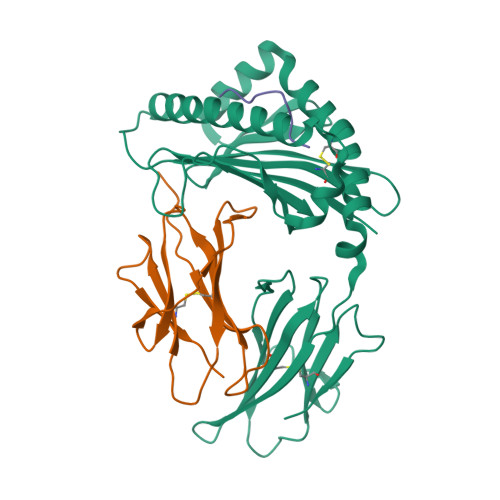
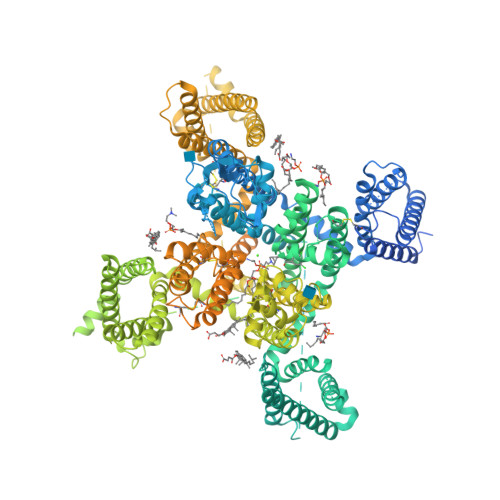
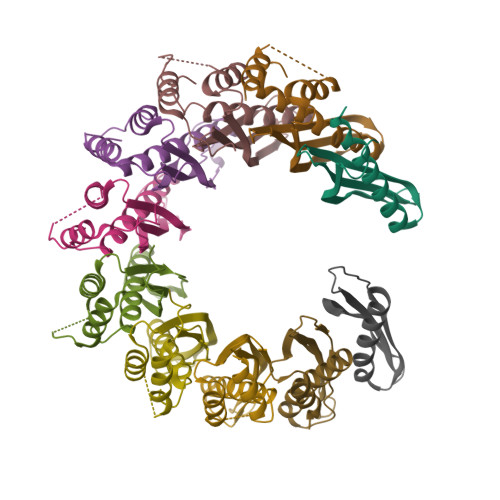
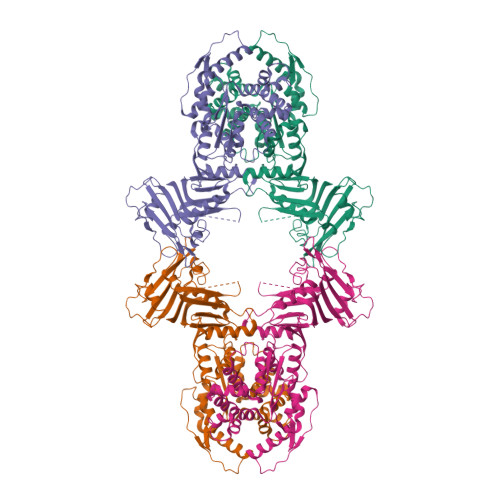
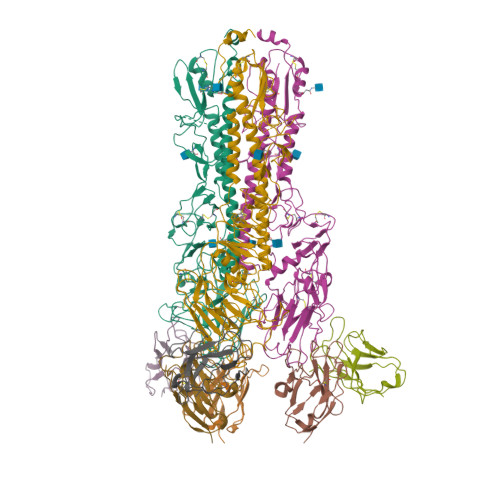
Features & Highlights
Register Now for a Virtual Deep Dive into Computed Structure Model Exploration at RCSB.org
Join us on April 30 as we demonstrate how RCSB.org serves as your gateway to structural data exploration. Learn how to navigate predicted 3D protein models in the context of experimentally-determined PDB structures.
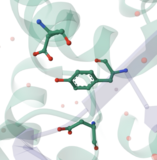
Explore Mechanism and Catalytic Site Annotations
Access Mechanism and Catalytic Site Atlas (M-CSA) annotations for PDB structures

Take the EDMAPS.rcsb.org Survey
Please take this brief survey about usage of DSN6-formatted data files
Register for the April 1 Mol* Virtual Office Hour
Join RCSB PDB for quick tips on how to use Mol* for hiding/coloring/changing the representation of parts of a structure
Paper Published on CryoEM Archiving and Validation Recommendations
Read about new community recommendations on cryoEM data archiving and validation

Register for the March 28 Office Hour to Ask A Biocurator
Want to learn more about deposition, validation, and biocuration? Join us for a virtual office hour and bring YOUR questions about OneDep, pdb_extract, the PDBx/mmCIF format, five-character CCD IDs, and more.
Use a Python Package to Access the RCSB PDB Search API
Perform Advanced Search queries through a Pythonic interface
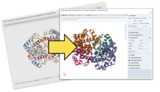
Notice: NGL Viewer Deprecation
As of June 28, 2024, the NGL molecular viewer will be removed from RCSB.org. Users are encouraged to use Mol* for 3D visualization.

Take the CSM User Survey and Win
Please take this brief survey about Computed Structure Models at RCSB.org to be entered into a drawing for a set of Bound Playing Cards.
Undergrads: Spend your summer with RCSB PDB
RISE at Rutgers is a nationally acclaimed summer research program for outstanding undergraduates from diverse backgrounds. Applications are now open.
See new feature archive
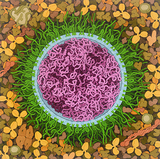
April 24 to 30 is World Immunization Week
Visit PDB-101 to explore the molecular basis of vaccinations» 04/23/2024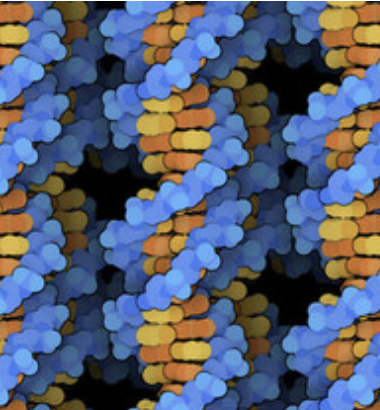
Celebrate DNA Day on April 25
Commemorate the anniversaries of the Human Genome Project's completion and the discovery of the DNA double helix with PDB-101 resources» 04/21/2024
April 22 is Earth Day
Visit PDB-101 to learn how PDB structures can help us plan for a sustainable future.» 04/18/2024
Spring Newsletter Published
Highlights New Training Opportunities; a Python Package to Access the Search API; a new Cancer Molecular Animation; and more. In the Education Corner, learn about Building and Animating Catalase in a High School Classroom» 04/16/2024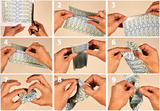
Paper Published: Folding paper models of biostructures for outreach and education
Read about free paper models of DNA, green fluorescent protein, viruses, and more available from PDB-101.» 04/14/2024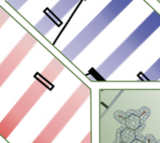
Register Now for a Webinar on Understanding PDB Validation: Which experimental structures should I rely on?
Join us on May 14 to learn about primary PDB structure quality metrics, including those in the validation slider graphic; how PDB structure quality varies across the archive; and identify good structure(s) for research from RCSB.org» 04/09/2024
CASP16 Call for Targets
Submit your targets to Critical Assessment of protein Structure Prediction, including structures determined by multiple experimental methods (cryoEM, NMR, X-ray crystallography, SAXS, cross-link)» 04/08/2024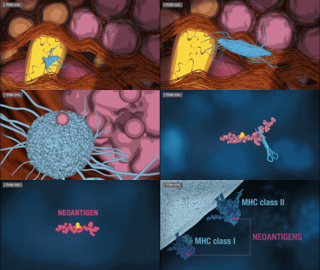
Video: Immunology and Cancer
Visit PDB-101 to watch a three-part series exploring the cellular and molecular details of the human immune response to cancer» 04/02/2024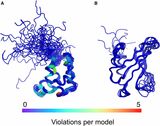
Paper Published on NMR Restraint Validation
Read the wwPDB validation improvements on NMR restraint analysis with standardized NEF and NMR-STAR formats» 04/01/2024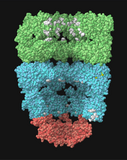
Education Corner: Bringing Proteins to Life
Learn how Ryan Nini and Xinyi Christine Zhang are Exploring Protein Structures with Interactive JSmol Views» 03/26/2024
Molecule of the Month

Quarterly News (see archive)
Issue 101 - April 2024
Training Opportunities; a Python Package to Access the Search API; a new Cancer Molecular Animation; and more.
Building and Animating Catalase in a High School Classroom by Emerson Newton, John H. Pitman High School.
Annual Reports
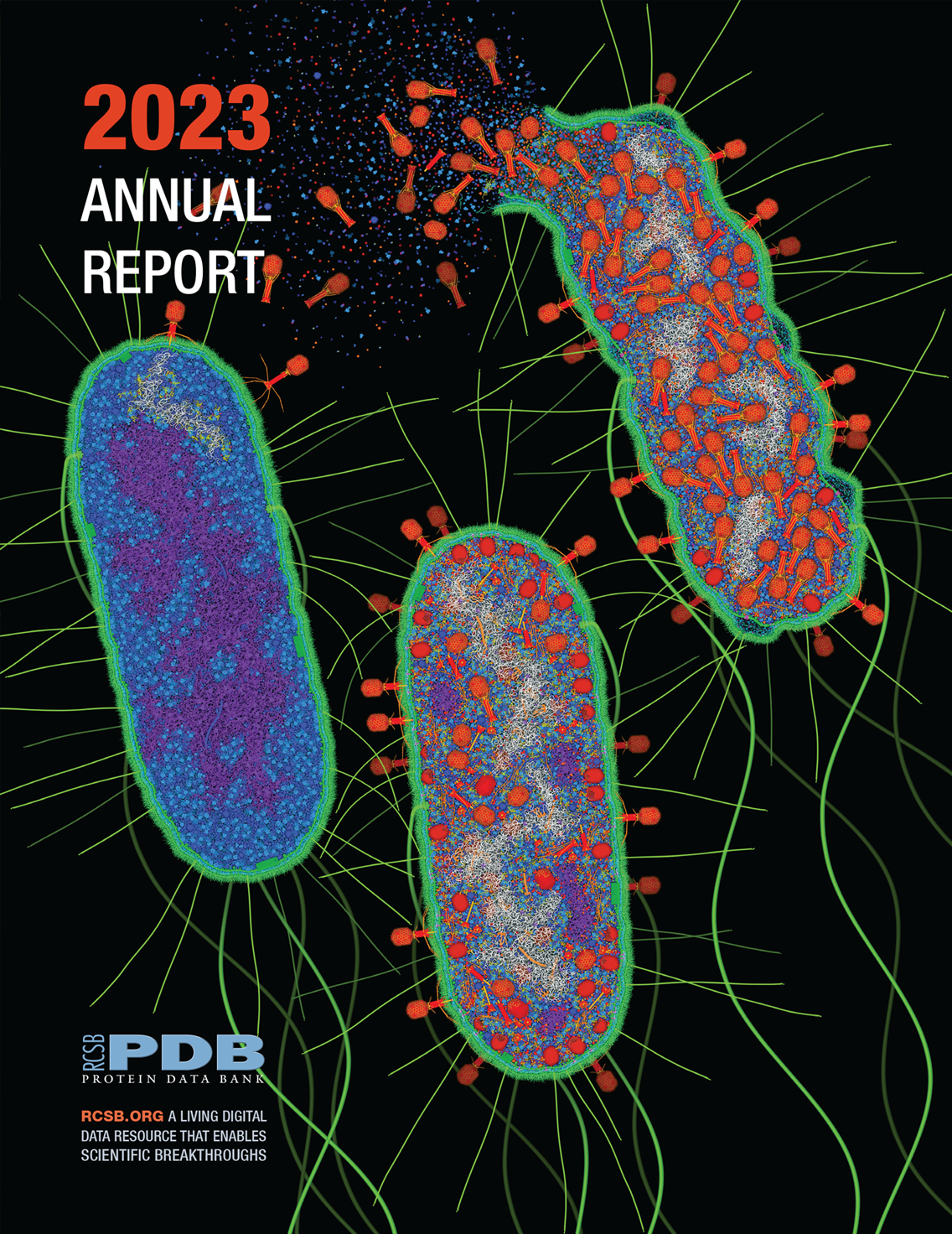
2023 Annual Report
Download the 2023 Annual Report (PDF) for an overview of recent activities, including RCSB PDB APIs and pairwise alignment tools.





